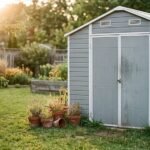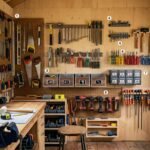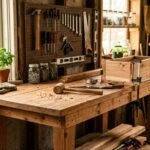
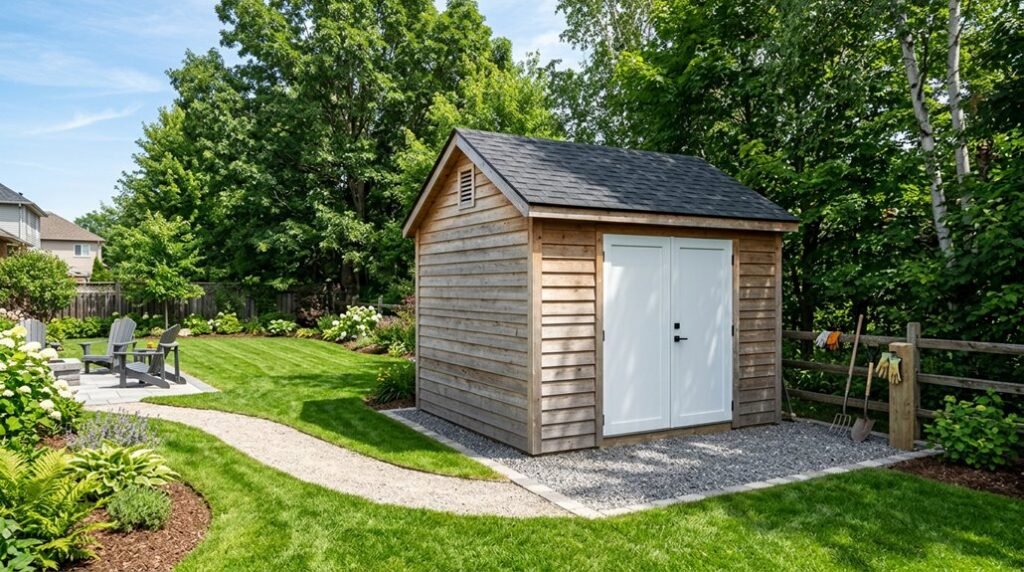
I’ve priced sheds across Central California, and the numbers might surprise you: an 8×8 vinyl unit starts near $3,000, while a custom workshop with concrete slab foundation can push past $25,000.
Size drives everything, but materials, roof pitch, and site prep create unexpected swings. Here’s what actually determines your total.
Storage Shed Cost in 2027: $3,000 to $25,000+ Breakdown
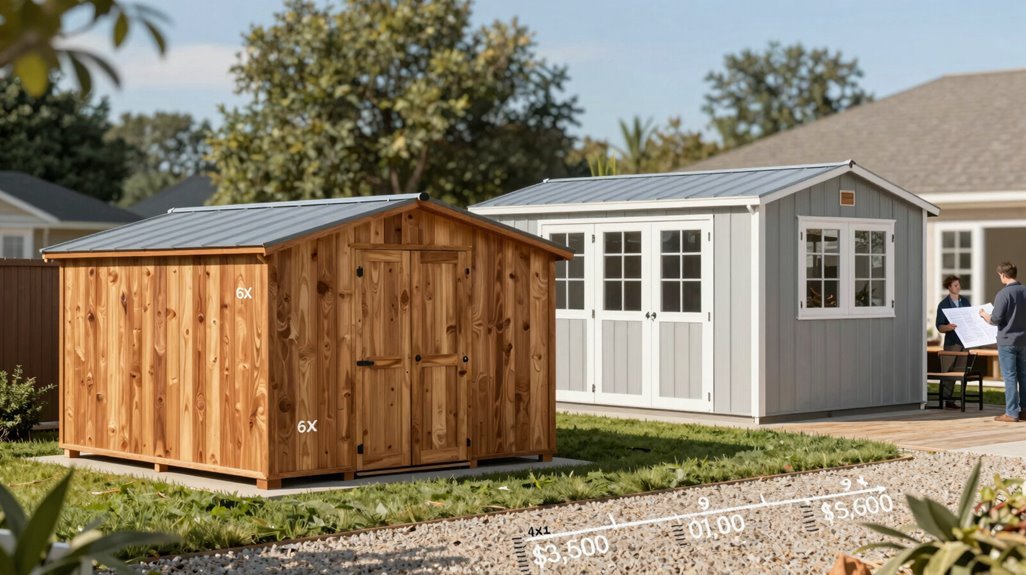
Wondering what you’ll actually pay for a storage shed in 2027? I’m breaking down real storage shed costs so you can plan with confidence, whether you’re joining the backyard workspace movement or finally organizing your growing collection.
Wondering what you’ll actually pay for a storage shed in 2027? I’m breaking down real costs so you can plan with confidence.
Here’s what shapes your investment:
1. Prefab Shed Base Pricing
Small 8×8–8×12 units run $3,000–$5,000; mid-range 10×12–10×16 models hit $4,500–$8,000; expansive 12×20 workshops exceed $12,000. Roof style and siding quality shift numbers within each tier.
2. Foundation/Installation Essentials
Gravel pads cost $800–$2,500; concrete slabs reach $4,000. Skimping here risks structural integrity and warranty coverage.
3. Size Pricing Reality
Every additional square foot compounds material and labor expenses, with architectural upgrades multiplying base figures substantially.
4. Upgrades and Permits
Premium siding ($800–$1,500), metal roofing ($400–$1,500), electrical rough-ins, and California permitting requirements (varying by municipality) complete your 2027 budget picture.
How Shed Size Affects Your Total Storage Shed Cost

Square footage isn’t just a number on a spec sheet; it’s the single most powerful lever pulling your storage shed cost upward or downward. When you’re sizing your build, you’re really choosing your price bracket.
Small storage sheds (8×8 to 8×12) typically run $3,000–$5,000; perfect for garden tools and seasonal gear. Mid-sized options (10×12 to 10×16) land around $5,000–$8,000, giving you breathing room for workshops or hobby spaces. Large sheds (12×16 to 12×24) jump to $8,000–$12,000, demanding stronger foundations and often concrete slabs over simple gravel pads.
Here’s what I’ve learned watching costs climb with every extra foot:
- Base price multiplication. Each square foot adds $20–$150 to your total, with labor pushing larger builds toward $40–$75 per square foot; size amplifies everything.
- Foundation escalation. Bigger sheds need beefier foundations; that gravel pad won’t cut it for a 12×24 structure requiring proper load distribution and permit compliance.
- Upgrade cascades. Larger dimensions trigger automatic upgrades; extra doors, reinforced roofing, insulation; each adding non-linear costs beyond raw size.
Plan your square footage deliberately; oversizing by even four feet reshapes your entire budget.
How Materials and Style Impact Storage Shed Cost
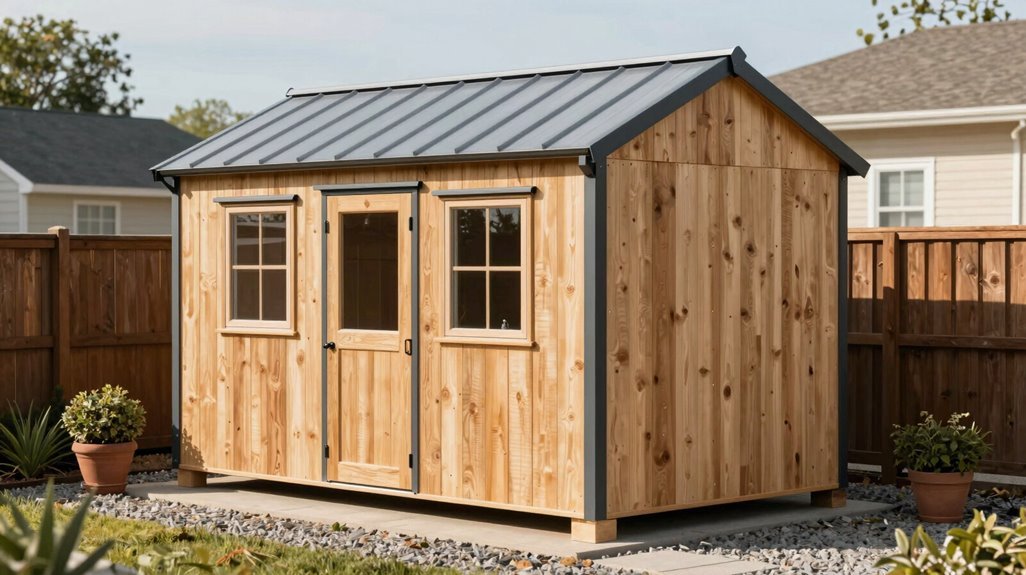
I’ll break down how material choices and architectural styles shape what you’ll pay, starting with the gap between wood, vinyl, and metal siding, where wood commands premium pricing for its aesthetic warmth and structural heft.
Beyond the base material, opting for upgraded finishes like LP SmartSide can nudge your budget upward by roughly $800 to $1,500, a trade-off many homeowners accept for enhanced durability and appearance. Style matters just as much: ornate designs, think cottage-inspired or sleek Modern sheds, often pair with premium siding, amplifying costs in ways that scale with square footage and regional preferences, particularly in markets like California where wood-siding benchmarks dominate pricing conversations across five distinct architectural categories.
Material Cost Ranges
Whether you’re envisioning a modest garden refuge or a fully equipped backyard atelier, I’ll walk you through how material selection fundamentally shapes your investment, both upfront and across decades of ownership.
- Vinyl ($200–$5,000), lightweight, weather-resistant, and virtually maintenance-free, making it ideal for humid coastal regions like Florida’s Gulf Coast.
- Metal ($500–$7,000), galvanized steel delivers industrial durability against snow loads, prevalent throughout the Upper Midwest.
- Wood ($3,000–$15,000), cedar and engineered options offer unmatched customization, with clapboard configurations raising property values in New England colonial revival settings.
- Brick ($3,200–$30,000), the permanent solution, commanding premium valuations in historic districts from Charleston to Savannah.
- Siding upgrades, transitioning standard panels to LP SmartSide or fiber-cement adds $800–$1,500, turning utilitarian structures into architectural statements worthy of your carefully cultivated landscape.
Style Price Impact
How does a simple box become a backyard statement? Style price impact changes shed costs from purely functional to aspirational.
1. Shed Style Hierarchy
Ranch designs anchor the affordable end, while Cottage and Deluxe styles, with dormers, decorative trim, and architectural detailing, lift investment to $8,000–$15,000 for premium configurations.
2. Interior Layout Engineering
MaxiBarn and gambrel-roofed structures maximize vertical space through vaulted ceilings, increasing material costs and labor. That extra headroom demands more framing, sheathing, and roofing, directly impacting your bottom line.
3. Material Costs by Category
Wood siding offers customization but spans $3,000–$15,000; vinyl emphasizes low maintenance at $200–$5,000; metal sits mid-range with cheaper upfront pricing. LP SmartSide, architectural shingles, and concrete foundations compound totals further.
Your shed style signals membership in a community that values craftsmanship.
Hidden Storage Shed Costs: Foundation, Permits, and Delivery
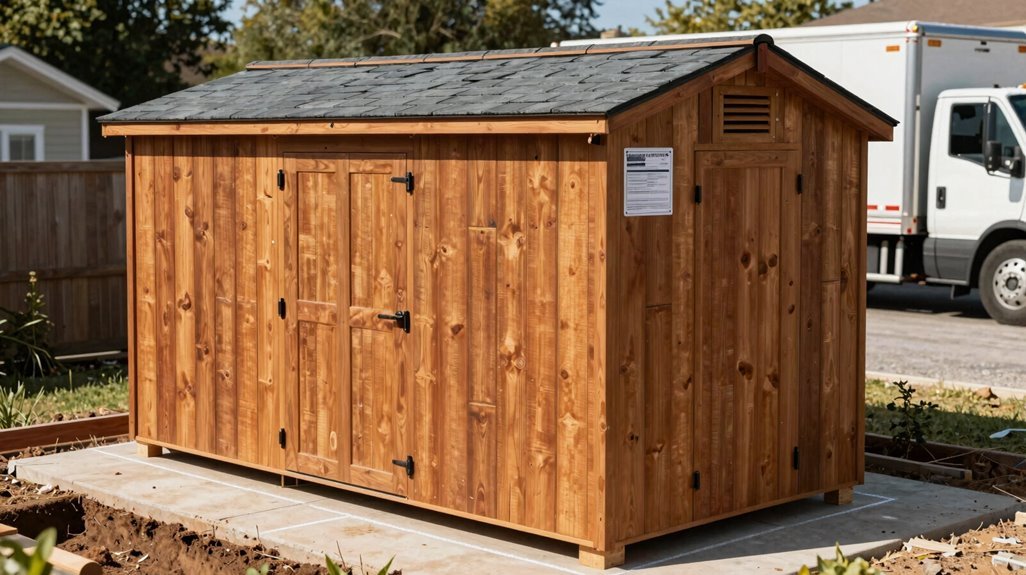
When you’re budgeting for that perfect backyard retreat, the sticker price on the shed itself tells only part of the story. Beneath the surface lie foundation requirements, permit fees, and delivery logistics that can reshape your total investment by thousands.
- Foundation fundamentals—concrete slabs run $800–$4,000, while gravel pads cost $1–$2 per square foot, anchoring your structure properly.
- Permit navigation—local regulations and HOA rules vary widely, affecting timelines and budgets before ground breaks.
- Delivery dynamics—distance from the manufacturer directly impacts final pricing beyond base specifications.
- Site prep realities—grading, leveling, and access preparation often surprise first-time builders.
- Comprehensive estimates—Central California providers frequently bundle site prep, permits, and placement guidance into free assessments.
Together, these price factors change what seems straightforward into a nuanced investment requiring careful planning.
Storage Shed Upgrades That Add Value: and Waste Money
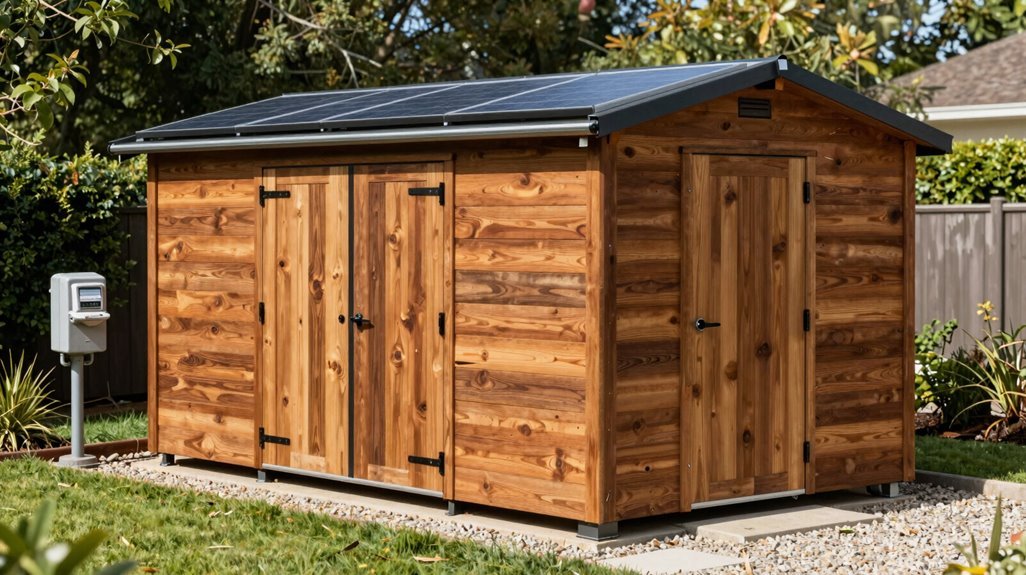
I want to help you distinguish between upgrades that enhance your shed’s utility and resale potential, such as proper foundations, quality roofing, and strategic insulation, and those that drain your budget without adding proportional value. While a concrete slab foundation ($800–$4,000) or premium siding ($800–$1,500) often pays dividends in California’s variable climate, I’ve seen homeowners overspend on excessive square footage or ornate architectural details they’ll rarely appreciate.
Let me break down which investments withstand scrutiny, and which features look tempting but leave you with buyer’s remorse.
Smart Upgrade Investments
Why settle for basic storage when strategic upgrades can transform your shed into a revenue-generating studio or year-round workspace? I’ve learned that strategic investments in insulation, electrical wiring, and climate control separate hobby sheds from professional-grade outbuildings.
- Insulation ($600–$1,500): Essential for four-season usability, reducing energy costs while protecting equipment.
- Electrical wiring: Powers tools, lighting, and HVAC, non-negotiable for workshop functionality.
- Foundation costs: Gravel pads ($800–$4,000) suit budgets; concrete slabs ($10–$12/sq ft) maximize resale value.
- Upgrading materials: Architectural shingles or metal roofing ($400–$1,500) and premium siding ($800–$1,500) extend lifespan dramatically.
- Climate control: Completes the transformation, whether for California’s heat or northern winters.
Factor labor ($10–$20/sq ft for prefab installation, $50–$100/hour for contractors) into your projections.
Costly Feature Mistakes
Where exactly does a modest storage project balloon into a budget-draining overbuild? I’ve watched too many homeowners, people just like us, get swept up in upgrades that sound essential but bleed budgets dry.
| Feature | Cost Range | Value Reality |
|---|---|---|
| Concrete slab | $800–$4,000 | Often overbuilt for basic storage needs |
| Premium siding | $800–$1,500 | Looks nice without functional return |
| Large doors | $400–$1,000 | Disproportionate price-to-utility ratio |
Here’s where we trip up: pouring a concrete slab where gravel suffices, specifying LP SmartSide when T1-11 works fine, or installing insulation and electrical work for a space that’ll never see a winter workday.
Gambrel roofs and vaulted ceilings charm the eye, but they’ll push your cost per square foot into custom-home territory. I’ve learned to ask: “Am I building storage, or proving something?”
How to Get an Accurate Storage Shed Cost Estimate

When you’re planning a backyard workspace or storage solution, getting a precise cost estimate upfront keeps your project grounded in reality: no surprises, no budget overruns. I’ve learned that nailing down shed cost estimates means looking beyond sticker price; every detail shapes your final investment.
- Map your price range: In Central California, I’m seeing prefab sheds from $3,000 to $10,000, with mid-sized builds hovering near $4,500–$6,000.
- Weigh size and features: Square footage drives base cost most; roof style and siding follow close behind.
- Price foundation and site prep: Concrete slabs add $800–$4,000, transforming a simple shell into a permanent structure.
- Factor delivery and permits: Distance from the supplier and local jurisdiction fees stack onto your total.
- Request a free site quote: Reputable Central California dealers offer 3D design tools and placement guidance; I’ve found this invaluable for avoiding hidden costs.