
Choosing between plastic and wood is like picking between a sleek prefab studio and a handcrafted timber-frame outbuilding, each serves shelter, yet diverges sharply in soul. I’m weighing three distinctions that’ll reshape how you think about longevity, labor, and legacy on your property.
Plastic vs Wood Shed Maintenance: Who Needs Less Upkeep?

Why spend your weekends sanding and staining when you could be gardening instead? I’ve faced this choice myself, and the difference in upkeep between plastic sheds and wood sheds is striking.
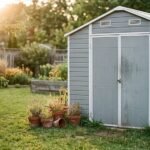
Plastic sheds demand almost nothing from you: no painting, no sealing, just an occasional wash. Their inherent pest resistance and weather resistance mean you’re not battling rot or insects every season. The maintenance is minimal, freeing you for what actually matters.
Plastic sheds demand almost nothing: no painting, no sealing, just an occasional wash, freeing you for what actually matters.
Wood sheds, while beautiful, require constant vigilance. Without regular painting and sealing, their durability suffers. You’re managing moisture, treating for termites, repairing warped boards: ongoing upkeep that consumes weekends and budgets.
For longevity with minimal effort, plastic delivers. Wood offers customization rewards, but only if you’re committed to the labor. I chose peace of mind.
Security and Lifespan: Which Shed Lasts and Protects Better?

How much does security matter when you’re storing thousands in tools and equipment? For me, it’s everything, which is why I lean toward wooden sheds when protection tops my list.
Wooden sheds deliver superior security through heavier construction and thick doors that resist forced entry far better than plastic alternatives. Their locking hardware mounts solidly into substantial framing, not flimsy polymer. Plastic sheds can use anchors for stability, but their locking points often remain vulnerable weak points.
Regarding lifespan, wooden sheds stretch 20–30+ years with diligent maintenance: sealing, staining, and vigilant repairs. Plastic sheds typically fade after 10–15 years despite excellent weather resistance. Here’s the trade-off: wooden structures demand more upkeep, yet their durability allows component replacement rather than full replacement. When I weigh longevity against protection, wood wins my trust.
Customizing Your Shed: Can Plastic Match Wood’s Flexibility?

Beyond security and longevity, I’ve found that personalization shapes whether a shed truly fits your life, or merely stores your stuff. When comparing plastic sheds and wood sheds, customization becomes the defining difference for homeowners seeking spaces that evolve with their needs.
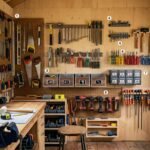
- Interior Layout & Shelving — Wood sheds offer unmatched flexibility for mounting heavy-duty shelving and reconfiguring interior layout; plastic sheds constrain you with limited wall support, making robust storage solutions frustratingly elusive.
- Painting & Aesthetic Control — Wood welcomes repainting whenever your style shifts, while plastic sheds lock you into factory finishes, even “wood-look” modular components resist painting, limiting your creative expression.
- Expansion Possibilities — Wood structures accommodate seamless expansion; plastic sheds rarely support reliable expansion, leaving your growing hobby or family cramped.
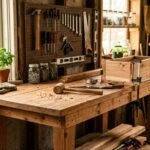
- Long-Term Adaptability — Wood’s flexibility rewards hands-on maintenance with decades of personalized utility; plastic’s convenience trades deep customization for minimal upkeep. Ultimately, your choice reflects which community you belong to: builders or buyers.